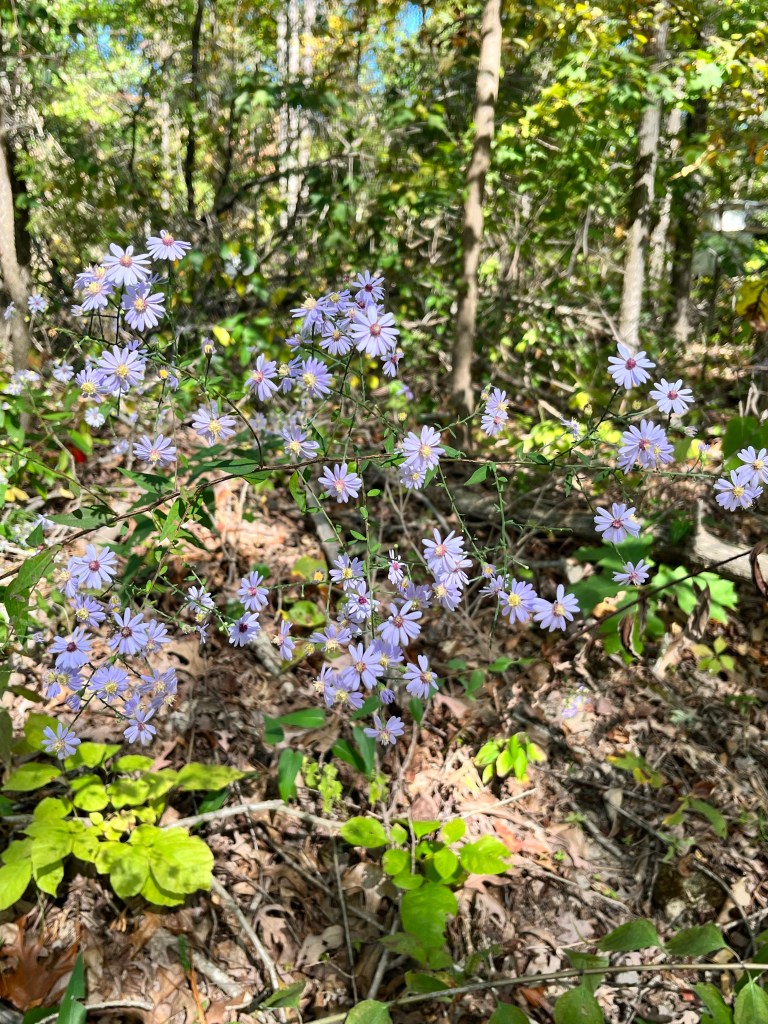
I 💙 fall wildflowers.. like this blue wood-aster 🥰
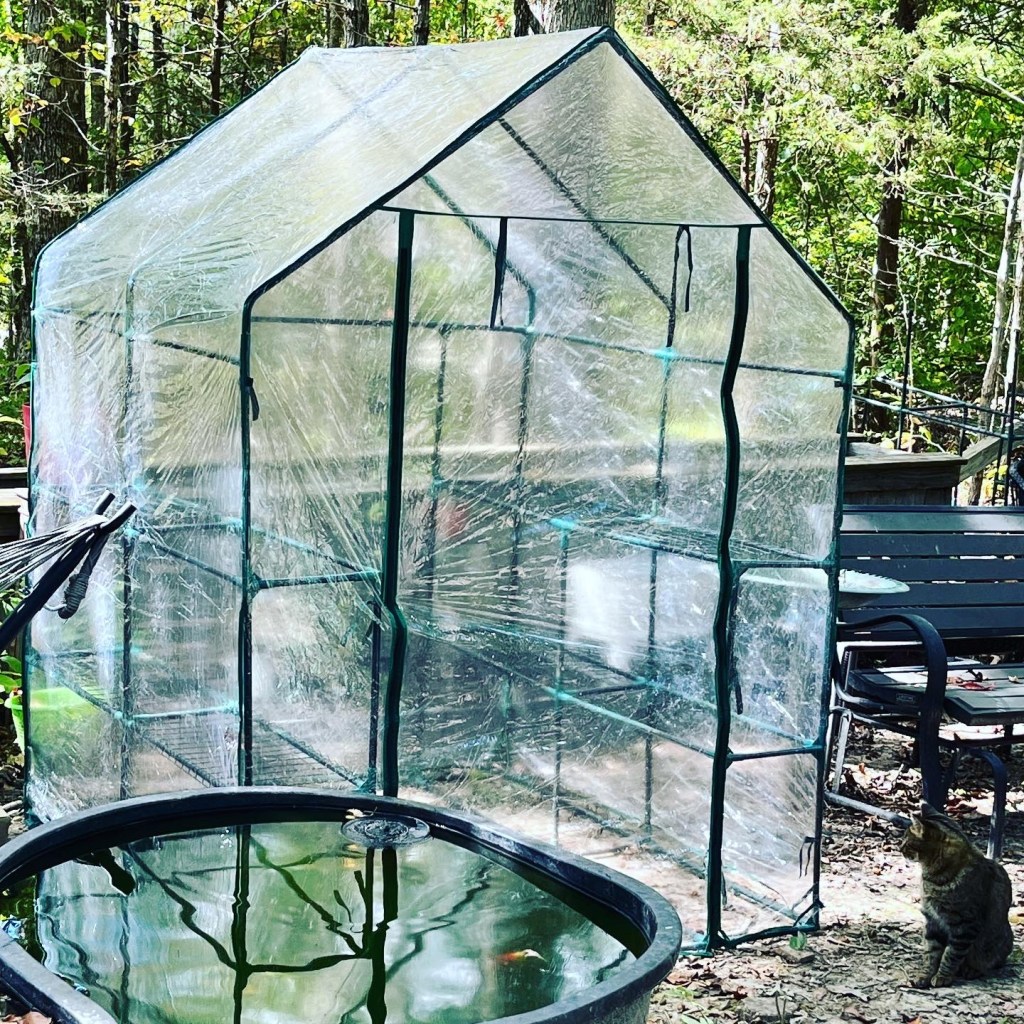
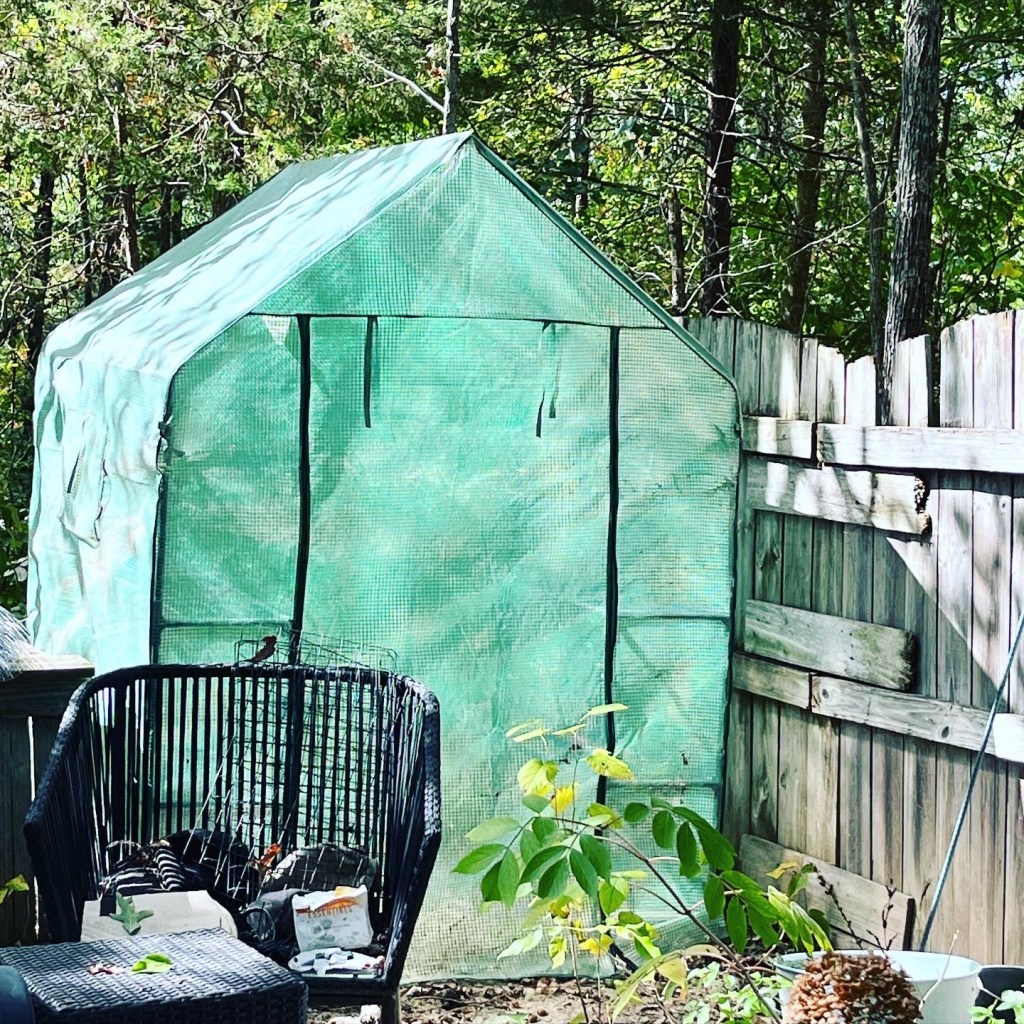
I put the cover on the new clear greenhouse .. and put the little green one back together today 🤩💪 .. I’m not ready for cold weather but my plants will be. 💚
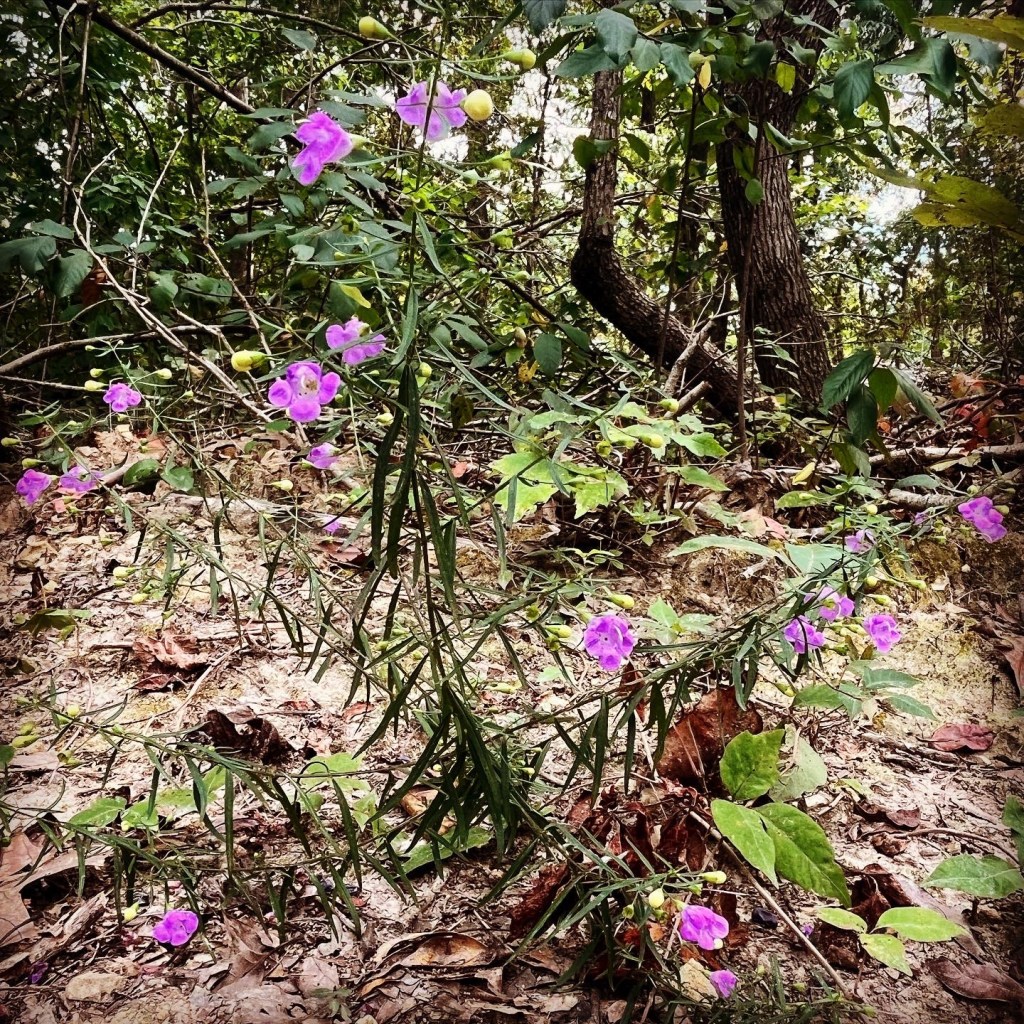
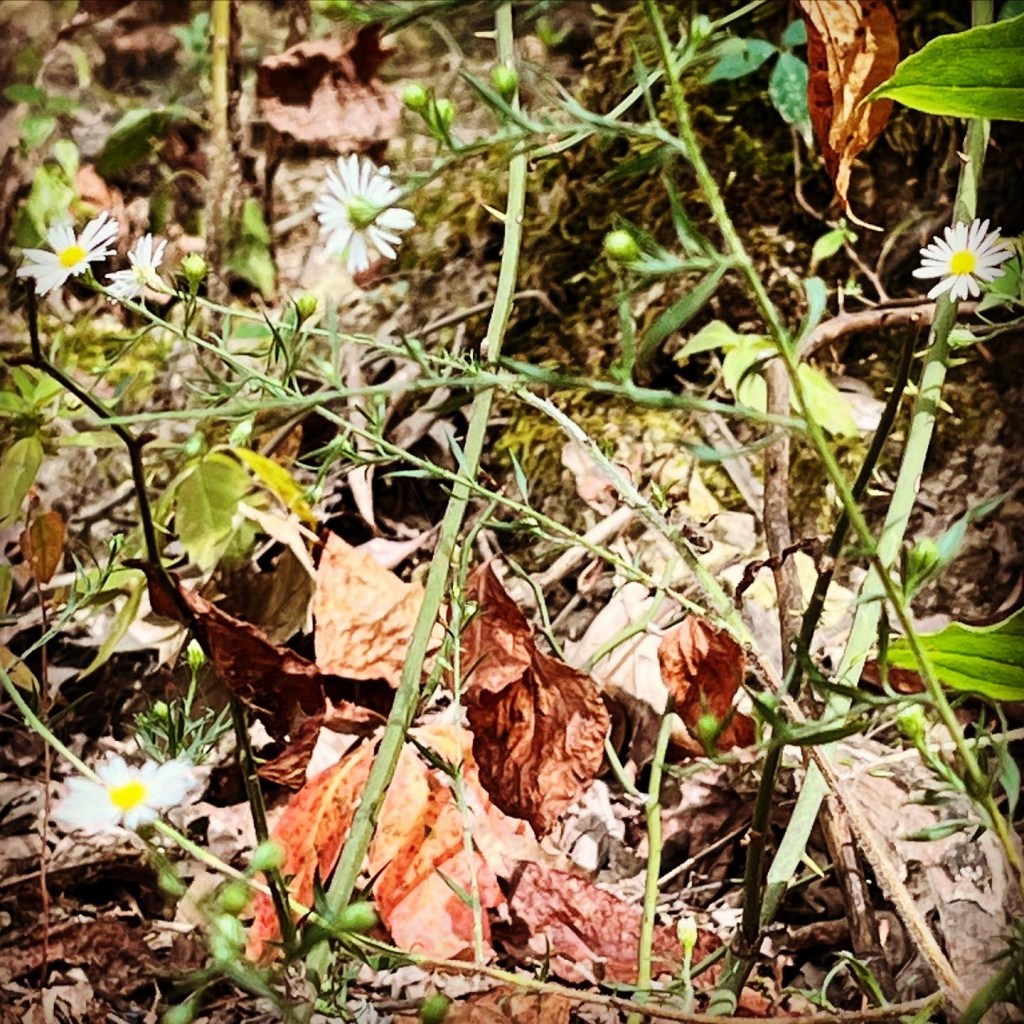
💜 Slender False Foxglove and Hairy Aster 🤍
When I bought this property in Oct 2021.. I scattered SOOOO many wildflower seeds.. all I wanted was a huge space for pollinators .. I quickly realized they already had lots of native plants growing wild here.. the more the merrier.. I have no idea if these grew from seed I tossed or if they were here already but either way.. I just love wildflowers.
My only problem was sunlight.. the whole 5.84 acres was wooded. We hate cutting native trees .. that’s where the birds and butterflies live!!.. so we cut just enough to grow a veggie garden and a few flowers.
Recently we’ve had to cut trees for the electric company and septic .. it makes me want to die!!! My goal is to replant everything we have to cut down and more. 💜💜💜💜
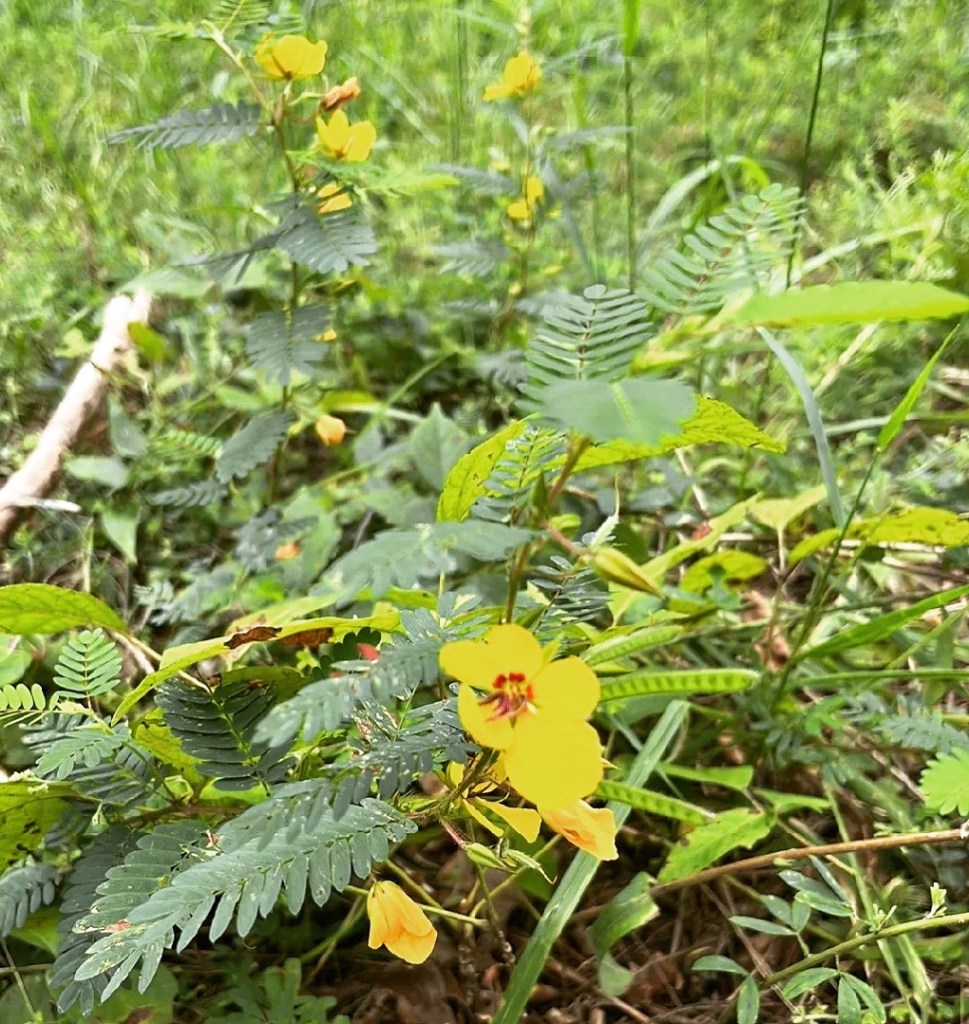
I have these blooming down by the road! 💛 Partridge Pea is an annual and a legume so it fixes soil nitrogen and forms attractive maroon seed pods in the fall.
💛 This wildflower attracts bees and butterflies and the seed pods are eaten by gamebirds and songbirds. The plant provides excellent cover for gamebirds and browse for deer. Leaves collapse when touched, earning it the common name Sensitive-plant.
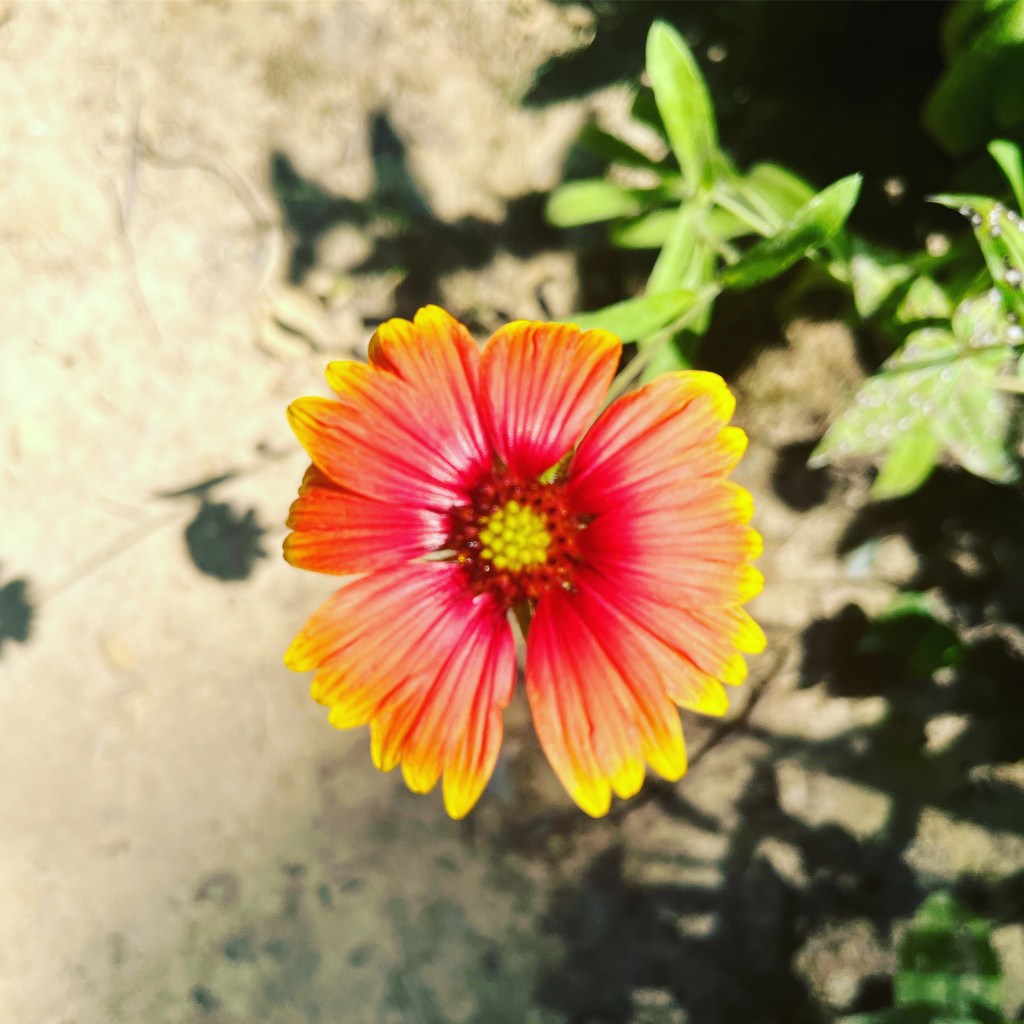
❤️🧡💛 Gaillardia or blanket flower is a group of perennials in the Asteraceae (daisy) family native to North and South America.
❤️The plant is named after Maître Gaillard de Charentonneau, an enthusiastic botanist in France.
🧡The name blanket flower may have come from the resemblance of the flowers to the brightly patterned Native American blankets in similar colors, the ability of wild species to completely cover the ground with a blanket of color, or even the legend of a Native American weaver whose grave was always covered with blooming flowers that were as beautifully colored as the blankets she had made.
💛Native Americans made tea from Gaillardia to treat gastroenteritis and sore eyes. The Kiowa thought of it as good luck. ❤️🧡💛
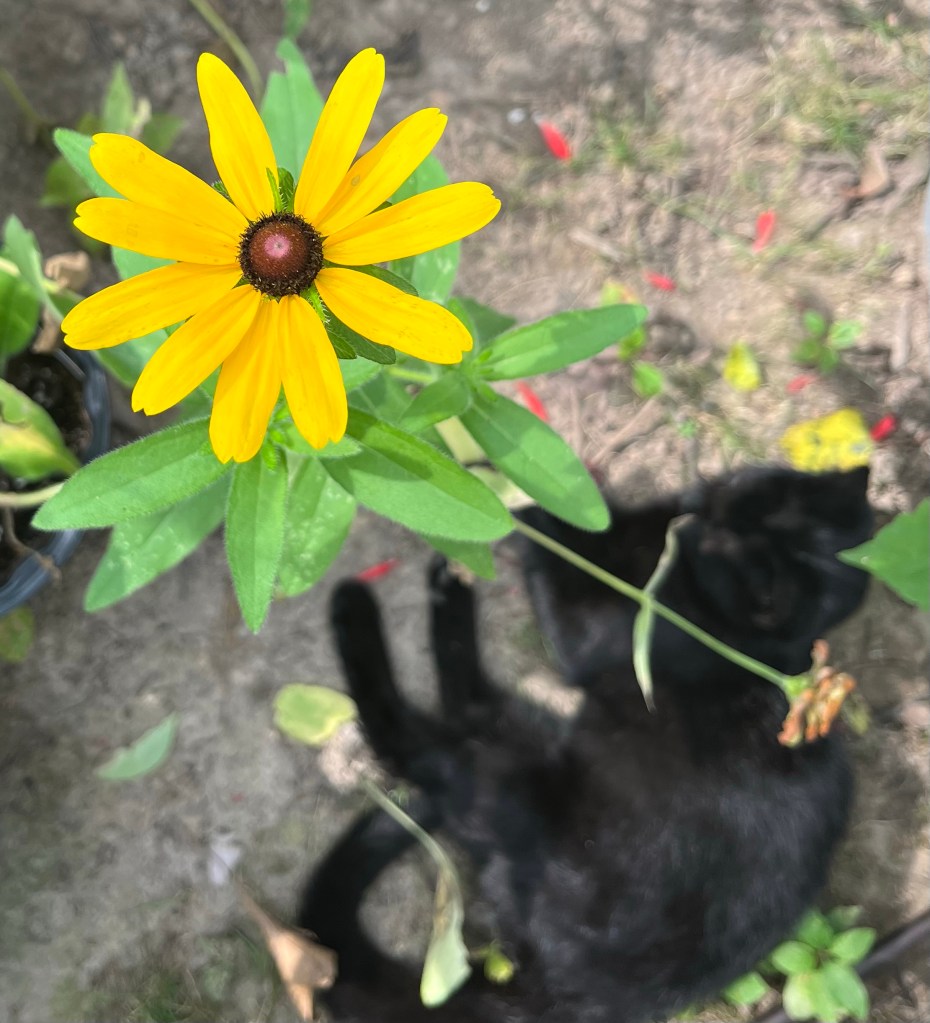
💛The Black Eyed Susan or Rudbeckia Hirta’s history begins in North America. In 1753, Legendary botanist Carl Linnaeus named them after his mentor Olaf Rudbeck. 🖤
🖤Many believe the common name, Black-Eyed Susan, is derived from an 18th-century poem written by John Gay. The poem is about a woman who is black-eyed because she’s been crying while searching for her lover William. The poem related to the flower because Black-Eyed Susan bloomed simultaneously with another flower known as Sweet William, representing the lovers finally reuniting.💛
 I Love Wildflowers