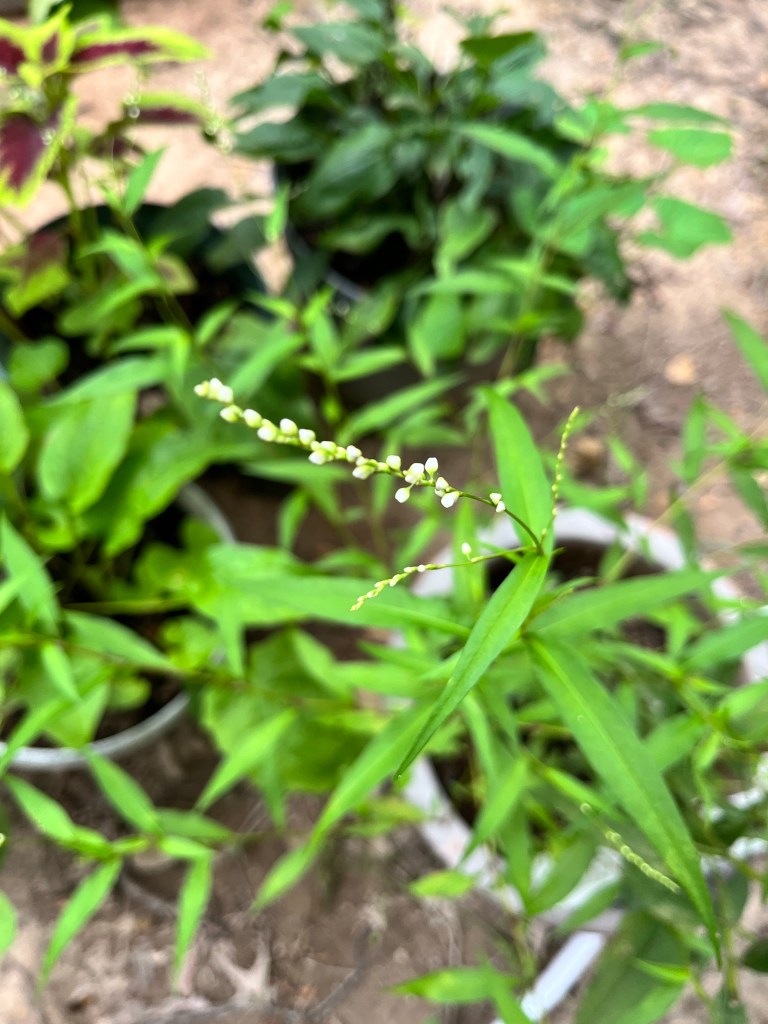
I didn’t plant this dotted smartweed… it came up in one of my flower pots on its own.. but I read about it and decided to let it stay. 💚 Dotted smartweed (Persicaria punctata) is a wetland plant important to many different kinds of native wildlife. Its nectar attracts bees and beetles, and insect larvae feed on its leaves. Also, small birds and mammals find the seeds very tasty. 💚
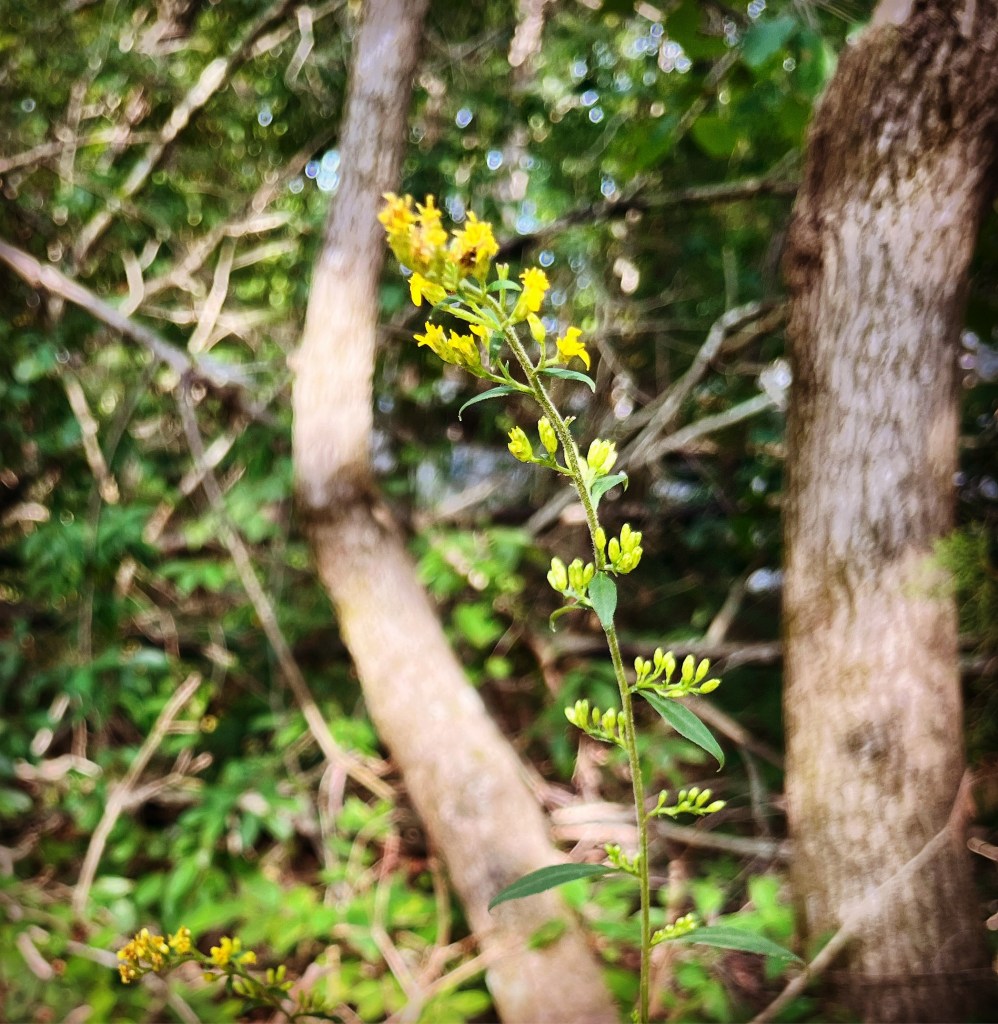
💚🌼🌱💛 Goldenrods are a group of 100+ species of asters native to North America. They bloom from June through October, providing sustenance and shelter for pollinating insects long after summer flowers have passed.
💚After the Boston Tea Party, tea made from goldenrod became known as “liberty tea.” It was the first and for a while, the only tea colonists would drink while protesting against the British taxation.
🌼In 1918 a national publication, the Independent, published a survey on the American sentiments for a national flower. The survey found that Americans were undecided between columbine, clover, daisy, and goldenrod. In 1942, goldenrod was still running for the title of National flower, but had developed the reputation of causing hay fever. While its pollen was then believed to be an aeroallergen, scientists have since discovered this is actually not the case. Goldenrod’s pollen is not airborne .. it blossoms at the same time as ragweed, the true instigator of hay fever. Despite the clarification, the rose received the coveted honor of National flower in 1986.
🌱Goldenrod is a sign of good luck and fortune in many cultures. The stem of the plant was historically used as a divining rod. Some believe whenever goldenrod grows near a home, its occupants will have good fortune.
💛The most fascinating use for Goldenrod came from Thomas Edison, who cultivated a 12 ft tall plant that yielded 12% rubber content in each plant. Henry Ford gave Edison a Model T with tires made from Goldenrod but Edison unfortunately died before he could bring this project into commercial production. During World War II there was extensive process development conducted on Goldenrod but they were not as successful as Edison, as they could only cultivate leaves with a rubber content of 7 percent. 💚🌼🌱💛
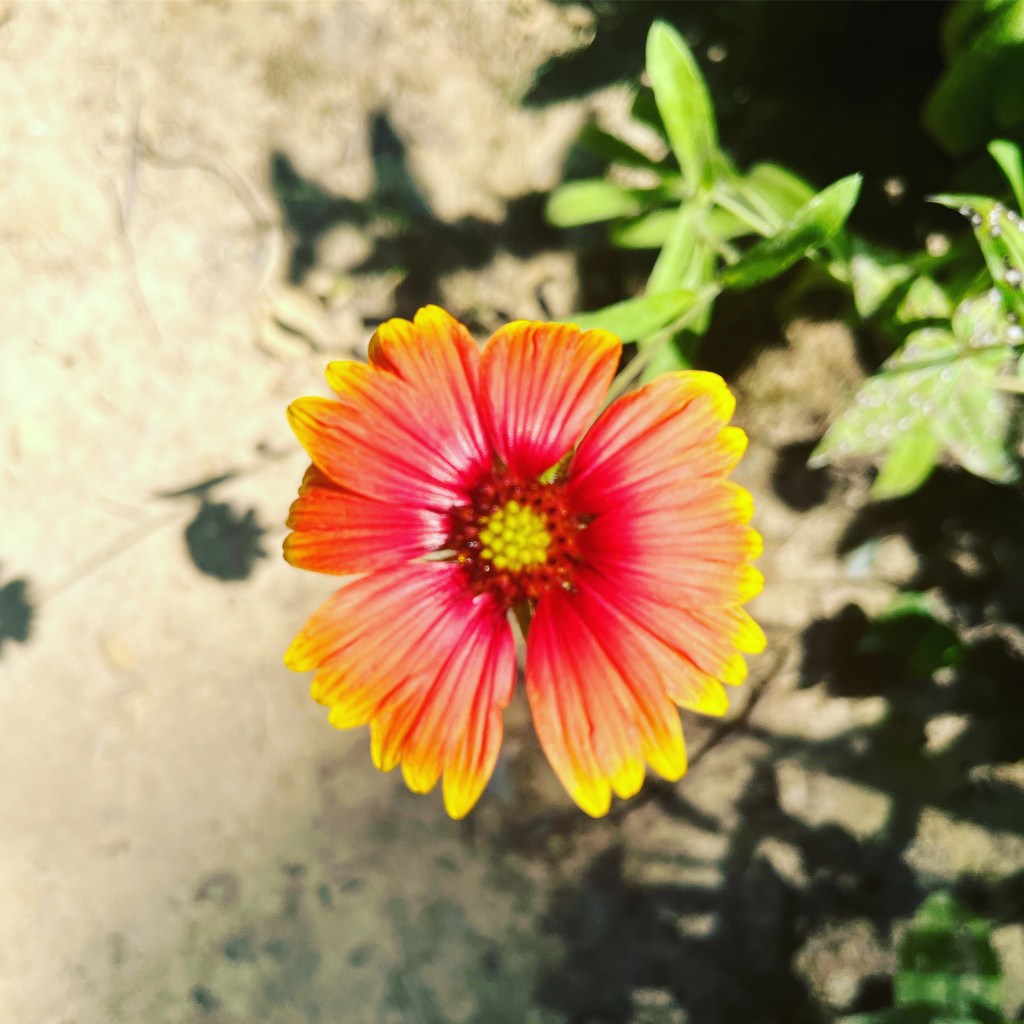
❤️🧡💛 Gaillardia or blanket flower is a group of perennials in the Asteraceae (daisy) family native to North and South America. ❤️The plant is named after Maître Gaillard de Charentonneau, an enthusiastic botanist in France. 🧡The name blanket flower may have come from the resemblance of the flowers to the brightly patterned Native American blankets in similar colors, the ability of wild species to completely cover the ground with a blanket of color, or even the legend of a Native American weaver whose grave was always covered with blooming flowers that were as beautifully colored as the blankets she had made. 💛Native Americans made tea from Gaillardia to treat gastroenteritis and sore eyes. The Kiowa thought of it as good luck. ❤️🧡💛
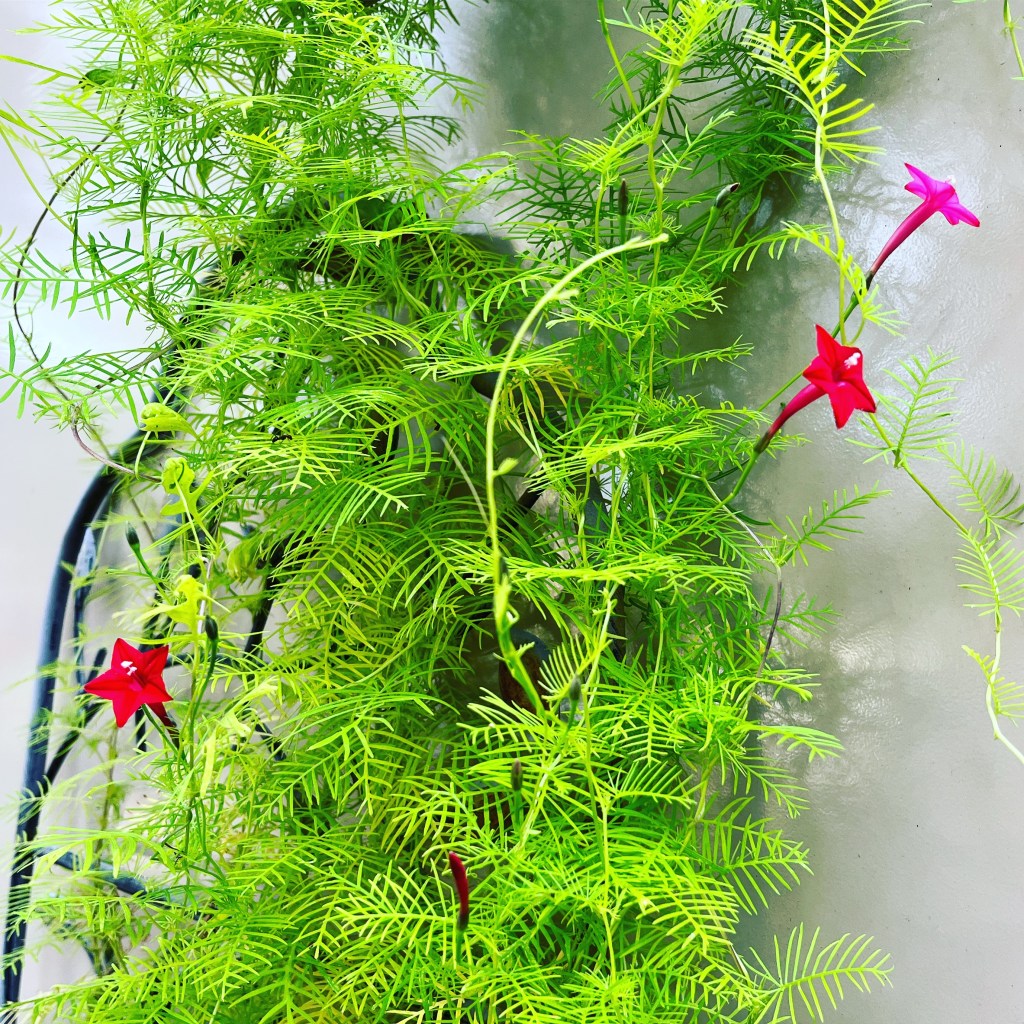
❤️ Cypress vine is believed to have been introduced to North America in the late 1600s. It was becoming a popular ornamental plant in the southeastern U.S. by the 1750s. The plants were a favorite of Thomas Jefferson. Jefferson was the first to provide written documentation of the cypress vine in the U.S. In 1790, he sent seeds from Philadelphia to his two daughters, Maria and Martha, who lived at Monticello in Virginia. Subsequent letters show that Martha and Maria planted these seeds in a window box. Today, cypress vines are still cultivated at Monticello where the plants are grown on “pea sticks,” or branches that offer support for cypress flower’s twining vines. ❤️
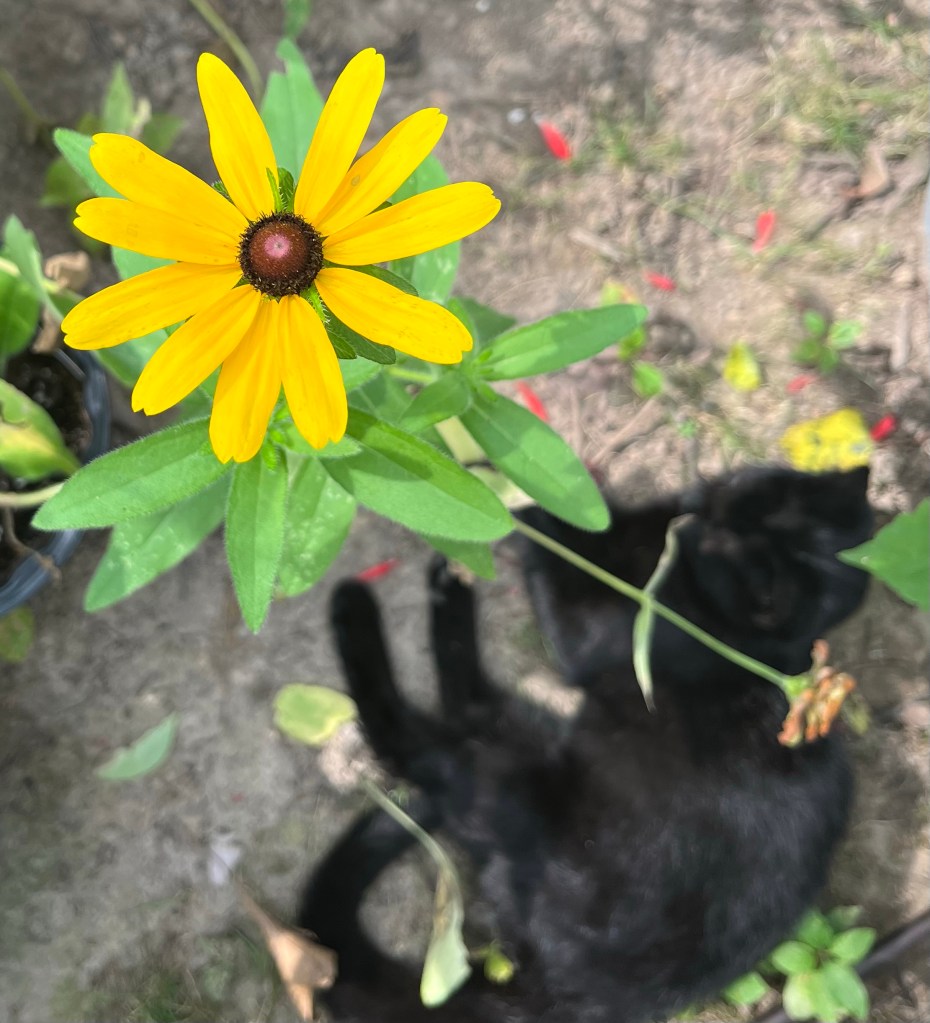
💛The Black Eyed Susan or Rudbeckia Hirta’s history begins in North America. In 1753, Legendary botanist Carl Linnaeus named them after his mentor Olaf Rudbeck. 🖤
🖤Many believe the common name, Black-Eyed Susan, is derived from an 18th-century poem written by John Gay. The poem is about a woman who is black-eyed because she’s been crying while searching for her lover William. The poem related to the flower because Black-Eyed Susan bloomed simultaneously with another flower known as Sweet William, representing the lovers finally reuniting.💛
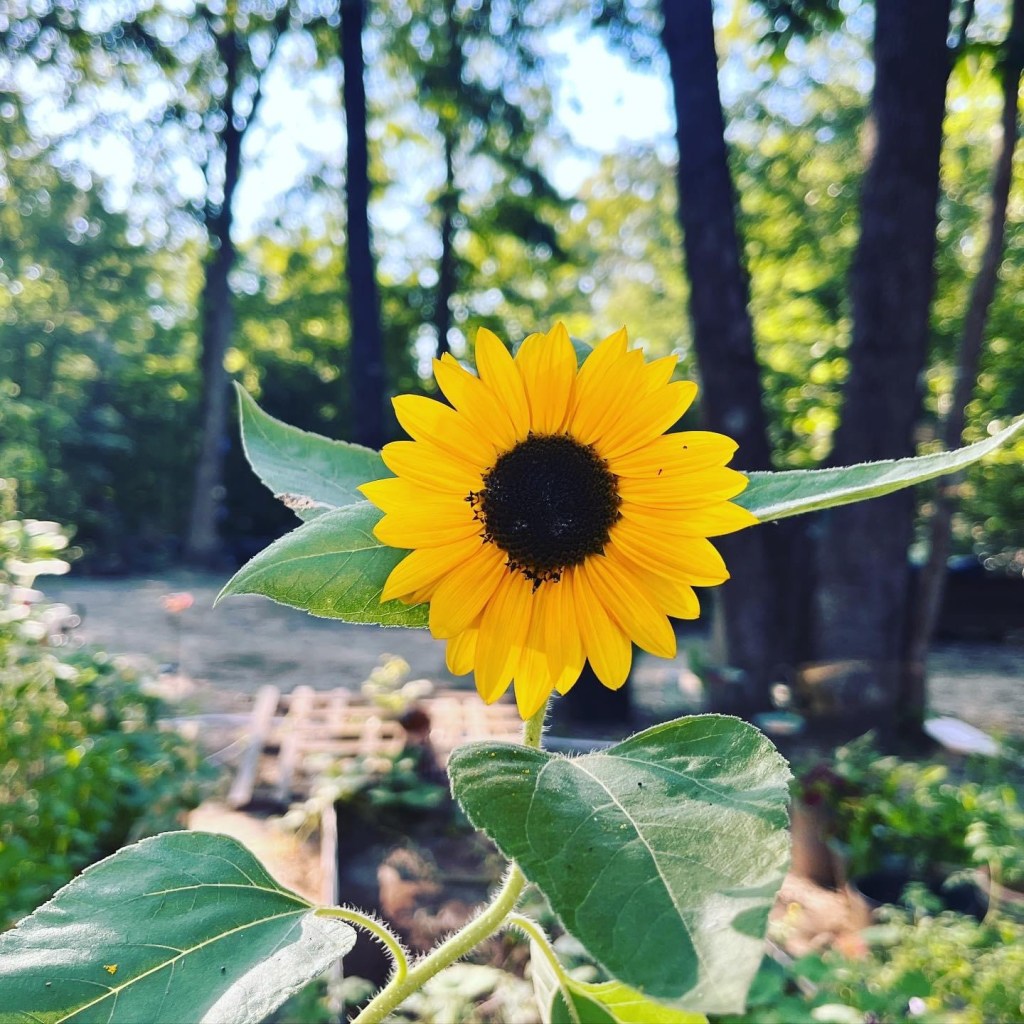
🌻💛🖤 The sunflower is native to North America and first was grown as a crop by indigenous tribes over 4,500 years ago. Native Americans cultivated the sunflower from the original bushy, multi-headed plant to produce a single-stemmed plant bearing a large flower. The crop’s many uses included milling for flour or meal production to make bread and cakes. Seeds were roasted, cracked and eaten whole, either as a snack or mixed with other grains and nuts and made into a type of granola. 🖤💛🌻
 I Love Wildflowers