We planted carrots and lettuce today.. couldn’t do it without my little helpers 🥕🥬🖤🐱
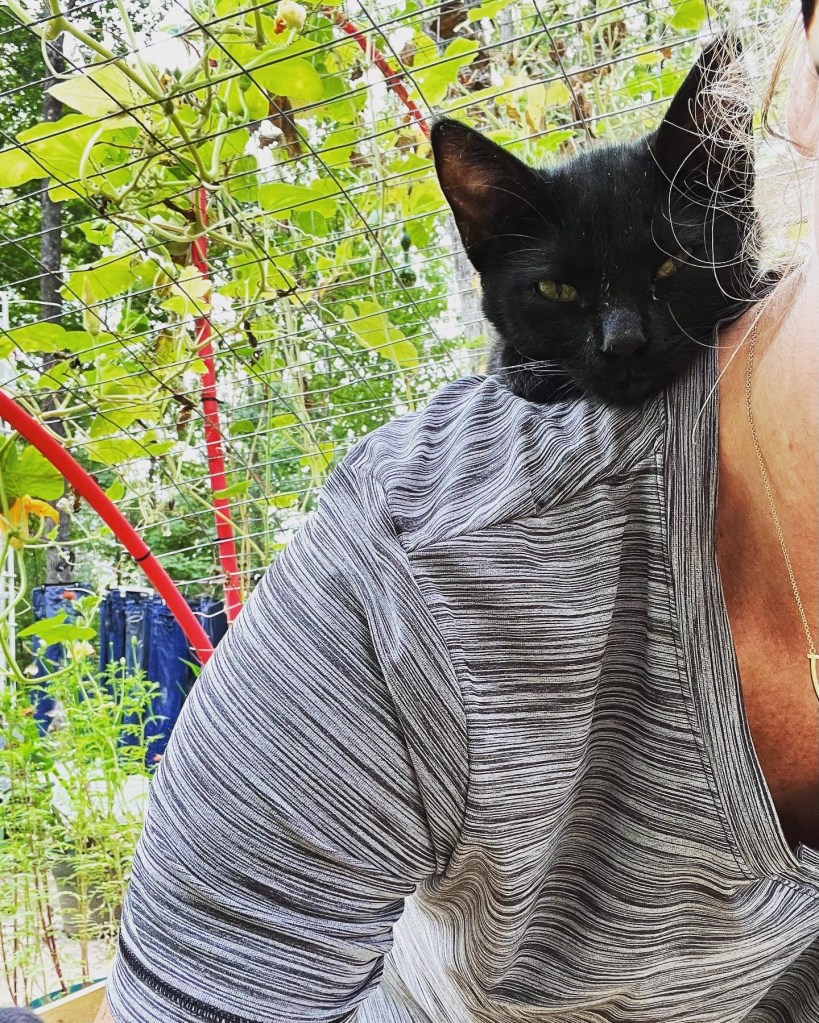
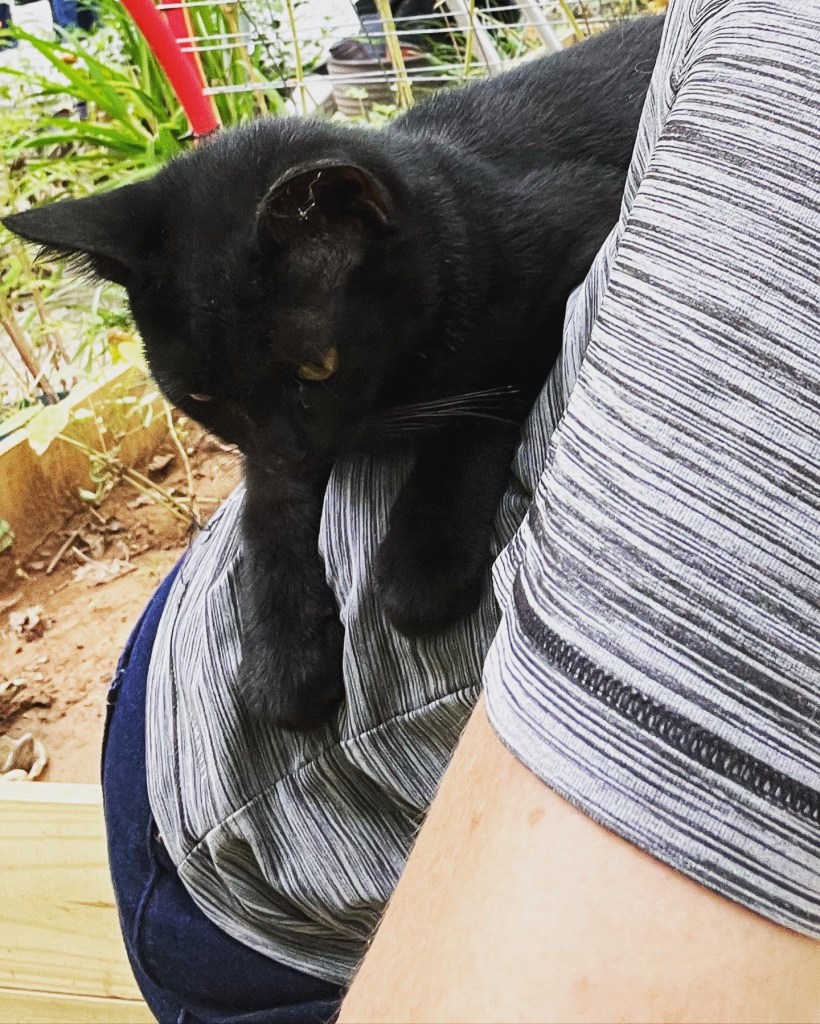

We planted carrots and lettuce today.. couldn’t do it without my little helpers 🥕🥬🖤🐱
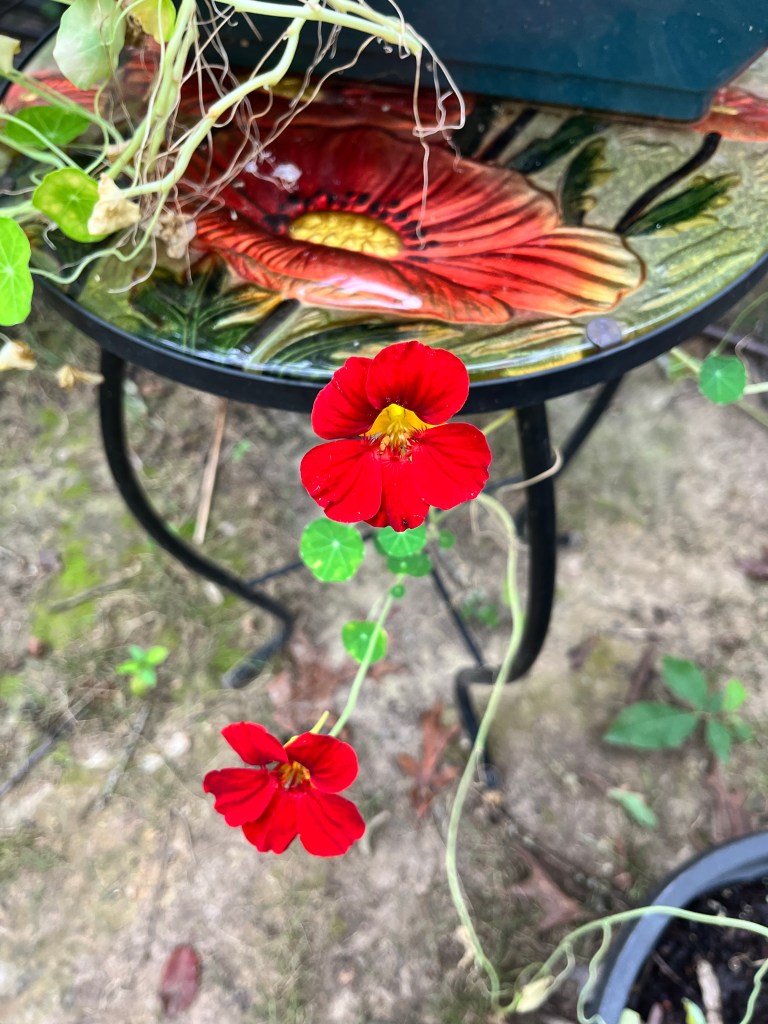
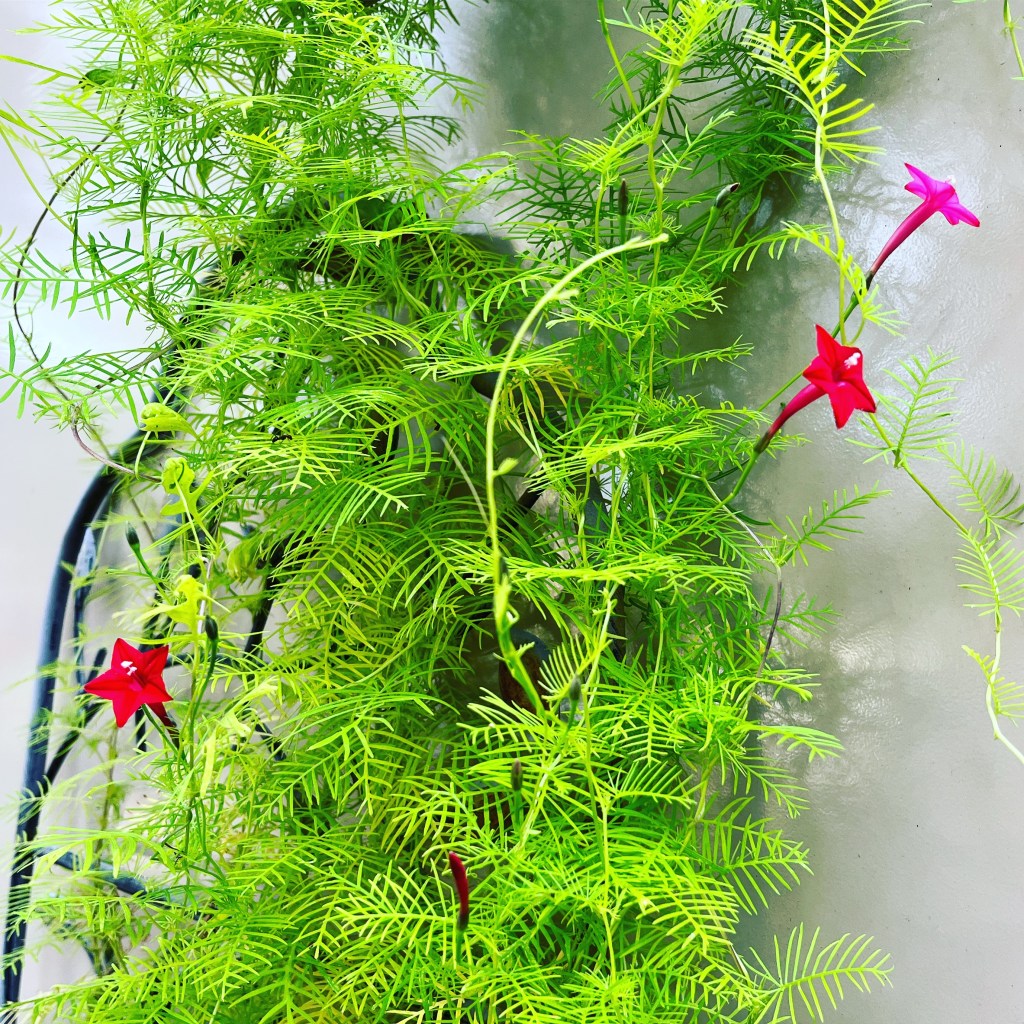
❤️ Cypress vine is believed to have been introduced to North America in the late 1600s. It was becoming a popular ornamental plant in the southeastern U.S. by the 1750s. The plants were a favorite of Thomas Jefferson. Jefferson was the first to provide written documentation of the cypress vine in the U.S. In 1790, he sent seeds from Philadelphia to his two daughters, Maria and Martha, who lived at Monticello in Virginia. Subsequent letters show that Martha and Maria planted these seeds in a window box.
Today, cypress vines are still cultivated at Monticello where the plants are grown on “pea sticks,” or branches that offer support for cypress flower’s twining vines. ❤️
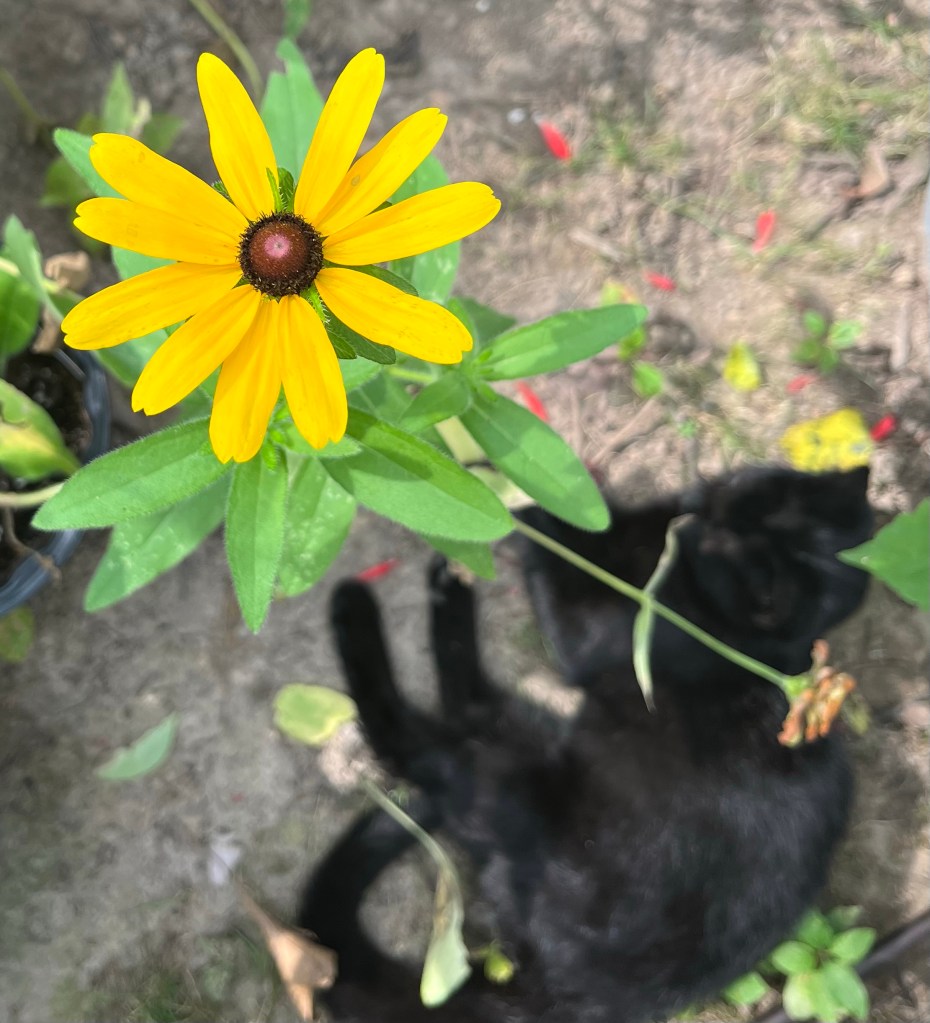
💛The Black Eyed Susan or Rudbeckia Hirta’s history begins in North America. In 1753, Legendary botanist Carl Linnaeus named them after his mentor Olaf Rudbeck. 🖤
🖤Many believe the common name, Black-Eyed Susan, is derived from an 18th-century poem written by John Gay. The poem is about a woman who is black-eyed because she’s been crying while searching for her lover William. The poem related to the flower because Black-Eyed Susan bloomed simultaneously with another flower known as Sweet William, representing the lovers finally reuniting.💛
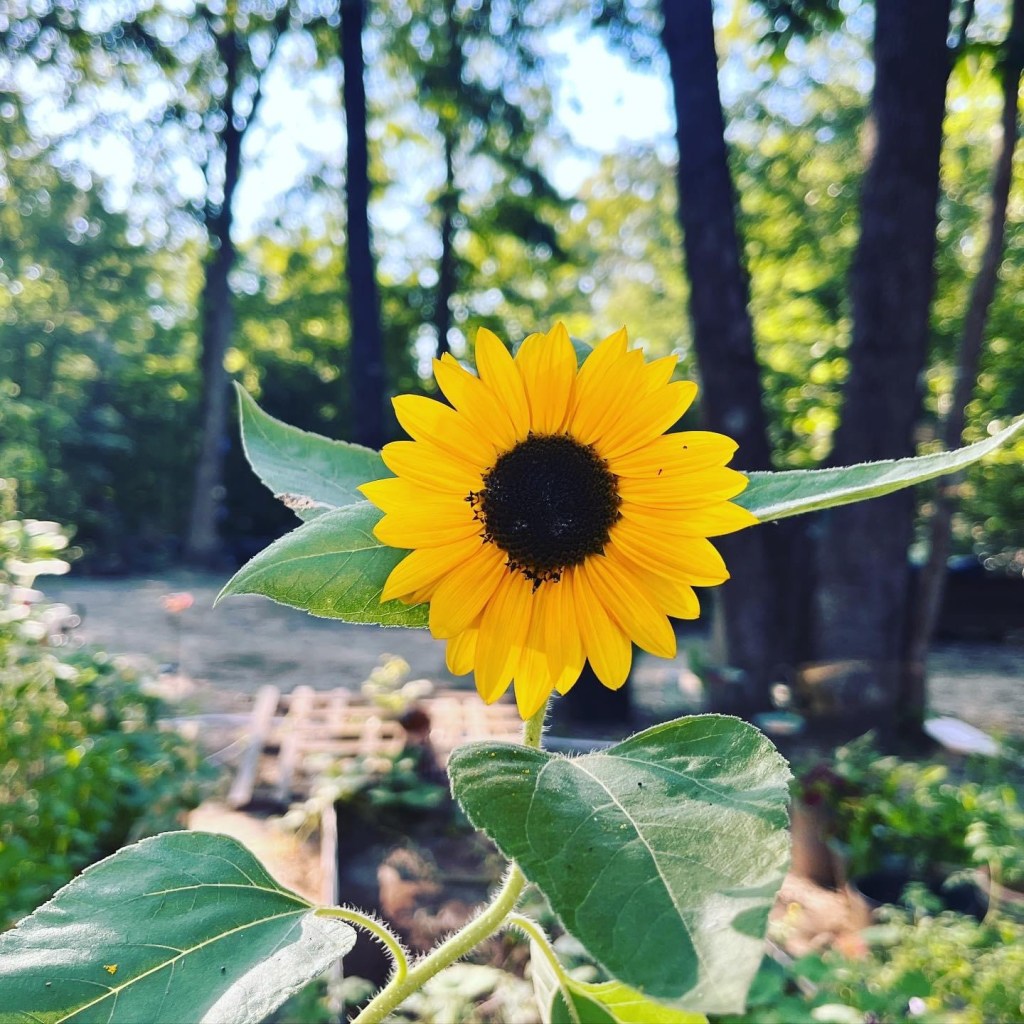
🌻💛🖤 The sunflower is native to North America and first was grown as a crop by indigenous tribes over 4,500 years ago.
Native Americans cultivated the sunflower from the original bushy, multi-headed plant to produce a single-stemmed plant bearing a large flower.
The crop’s many uses included milling for flour or meal production to make bread and cakes. Seeds were roasted, cracked and eaten whole, either as a snack or mixed with other grains and nuts and made into a type of granola. 🖤💛🌻

💚An Indian tribe had in it a man who from his boyhood had always tried to find out secrets which nature kept from the Indians. He would not believe the old legends of his tribe. When he heard them he shook his head and walked away thinking. He did not believe many things his friends believed, and he believed things which they did not. This strange man said he wanted to know the truth about everything. He wandered from tribe to tribe asking questions. He looked long into the stars and wondered what made them twinkle and wink at him. He kept thinking all his life, until he became known as a very wise man.
💛As this man grew older he lost his hair, and as he lost his hair his head seemed to grow larger. Finally, when he became an old man, he was entirely bald, and his head had become very large indeed. The other Indians said it was because his head was filled with so much wisdom that it had to swell to keep all the wisdom from running out his ears.
💚One day when the wise man lay sleeping the medicine man of the tribe looked down at him and thought what a pity it would be for all that wisdom to be buried with the man when the time came for him to die. The medicine man wondered about how it might be saved, for the old man did not have much longer to live. Finally the medicine man thought of something. He bent over and touched the old man’s big round head with his long fingers and muttered magic words.
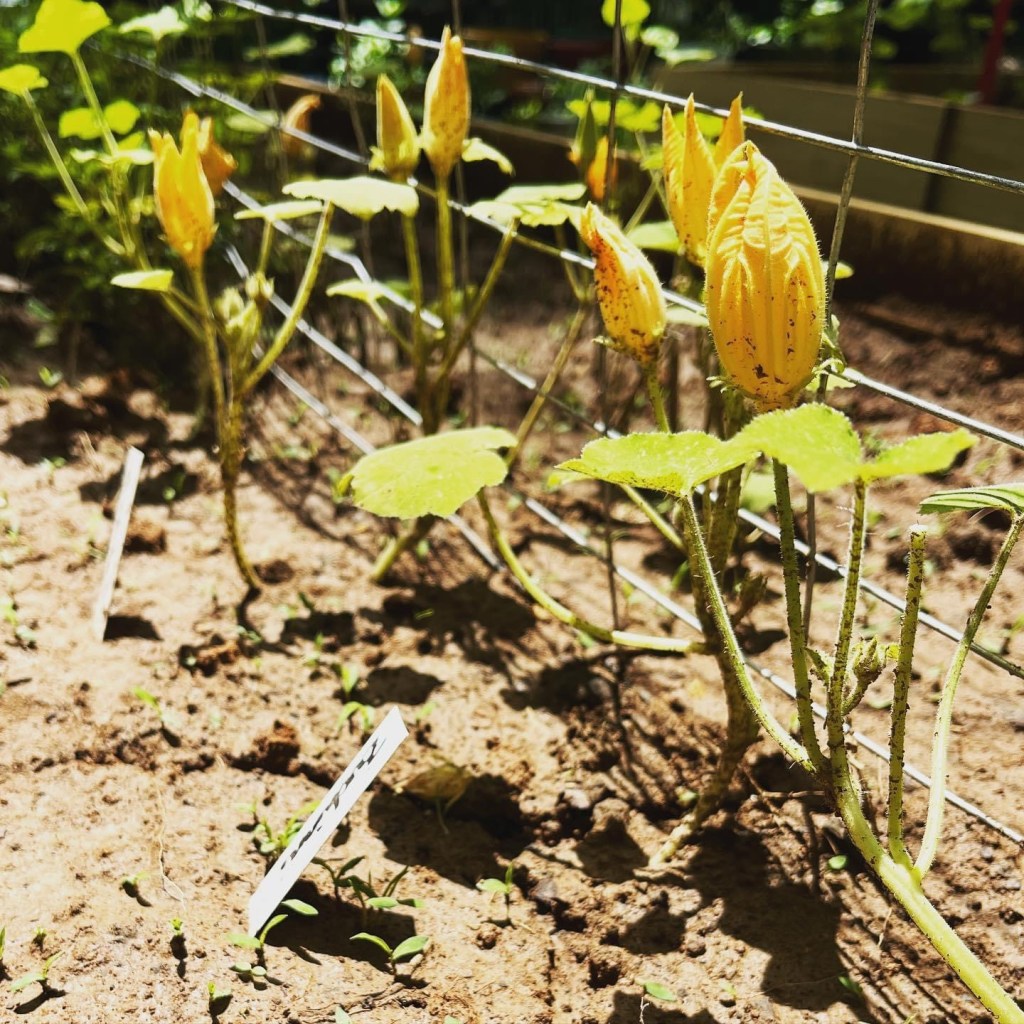
💛A strange thing happened. The wise man’s body began to shrink as he slept, and his arms and legs began turning into stems and leaves. His big bald head took the shape of a squash growing on the stems and leaves. In this way the tribe never lost what was in the wise man’s head, because the squash produced seeds which sprouted and gave them more squashes. When the seeds were dried and cracked they were very good to eat. They should have been, for once they were the wise man’s thoughts and his great wisdom.
 I Love Wildflowers